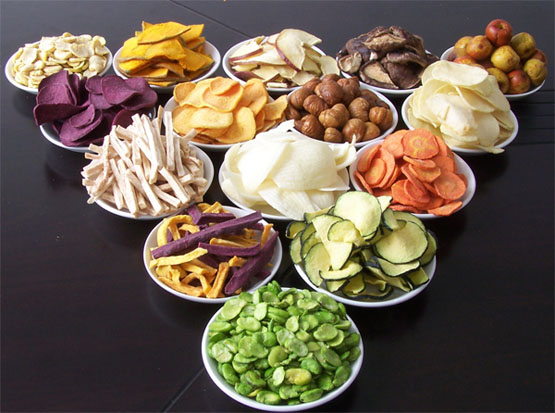
BEETS have more benefits than you think....

Beet roots and greens are loaded with healthy nutrients.  To prepare greens, steam and flavor them as you would any greens such as turnip or collard greens.  For the beet root, I recommend grating them raw onto salads, or, wrapping in foil and roasting in a 400' oven for about an hour, until a knife slides in easily.  There are many ways to enjoy beets hot or cold. The beet root is a good source of manganese, folic acid, potassium, phosporous, magnesium, iron and Vitamin B6.  Betacyanin is what gives beet roots their rich purple-crimson color and studies show this has cancer-fighting qualtities.  Raw or cooked, beet roots are a great source of fiber.

Cook Yourself Healthy

Have you noticed that restaurant food is often more salty or fat-laden than anything you eat at home?  When you cook, even simple meals or microwaved steamed vegetables, you have the perfect opportunity to control what you and your family are ingesting, so use that to your advantage.  Cook with a good quality non-stick pan to cut down on cooking oil which has 199 calories and 14 grams of fat in just one tablespoon. (Olive oil has less, and using a spray like PAM is even better.)    Ditch the salt and experiment with herbs and seasonings, or a quick and simple variety of 'Mrs. Dash'.  Did you know you can substitute applesauce for cooking oil in recipes you bake? There are many healthy substitutions to try which will surprise you because neither you nor your family will miss the old ingredients.  Small changes in cooking methods and recipes add up to big health improvements!

Sea Salt, Kosher Salt, Table Salt - Which is healthiest?

While it is true that everyone needs some salt to function, Americans consume much more salt than they need for the body's balance of fluids. 80% of our total intake comes from salt added to processed foods by manufacturers and salt that restaurant food preparers add.  Generally, you should not have more than about a teaspoon of table salt, or 2300 milligrams of sodium a day.   If you have high blood pressure, diabetes or have been told by your doctor to watch your sodium intake, you should have 1500 mg or less. The 'sodium' on a food label is listed in 'mg' and refers to the amount per serving so always check the serving size.  Marketing slogans want us to believe that the 'sea salt'  used in their product is a safe and healthy way to get a good flavor.   Not true.  The sodium content is only slightly reduced.  One tsp table salt: 6 grams = 2400 mg sodium.   One tsp sea salt: 5 grams = 2000 mg sodium.  One tsp Diamond Crystal kosher salt: 2.8 grams = 1120 mg sodium.  Sodium balance is critical for optimal health of your heart, kidneys, ateries and brain.

Don't Overlook Pistachios & Brazil Nuts

Nutritional benefits of almonds and walnuts are more commonly known, but other nuts can provide a healthy variety for recipe ingredients or snacks as long as you are getting raw or roasted, not salted or sweetened.   Pistachios are rich in lutein, beta-carotene and vitamin E and can have cardiovascular benefits including lowering 'bad' LDL cholesterol.  Antioxidants found in pistachios (and many other foods) have been scientifically proven to help with a variety of health concerns including cancer prevention, improved immune function, healthier skin or reduced risk of heart disease.    Brazil nuts are an abundant food source of the antioxidant selenium.   A recent study showed that eating just one Brazil nut each day for 8 weeks significantly increased plasma selenium status as well as an increase in the enzyme glutathione peroxidase-1 which protects the body from oxidative damage. 

What does South Beach diet really do?

The Kaizen approach to eating means no "dieting". Diets simply do not work to develop a healthy, sustainable body weight.  Diets are, by definition, temporary vs. long-term changes in eating behaviors, the only method which helps you gradually achieve your desired weight and keep it.  However, we all know that nothing is more popular in our culture than the latest fad diet. Many are dangerously restrictive or imbalanced and you should check with a dietitian or doctor before starting an extreme diet.  One of the most popular diets we have found which is not extreme, and is relatively healthy and effective for those looking for a short-term plan, is the South Beach diet.  The best part of that plan is it encourages removing refined sugar from your diet.  This should be a goal and permanent intention for anyone.   If you stick with their recommendations, you could also benefit from eating less saturated fats -- which you should avoid to help raise your 'good' cholesterol and lower your 'bad' cholesterol.   One problem with South Beach is that the first-phase menus are so restrictive they can lead to rapid weight loss, followed by relief-binge eating and rapid weight gain.  Often called yo-yo dieting, this process is very unhealthy and hard on your critical body systems.  Also this initial weight loss can be mostly water or even muscle mass.   It is much better to eat more of a variety of foods in smaller portions and thus avoid nutritional deficiencies.  Call the Kaizen Wellness Center (941-556-7788) if you would like a one-time complementary pass to attend the Kaizen Healthy Lifestyle Class, next Monday, 6 -7 p.m. at Dr. Mishner's office in Lakewood Ranch.   One of the topics will be the South Beach Diet. 

Fiber has a secret side benefit...

fiberDuring an extended period of time focused on weight loss, there will be weeks when there are more pounds lost than expected, sometimes less than expected and sometimes there are 'plateaus' where the scale just seems stuck for a while.

In Monday's Kaizen Healthy Lifestyle class we discussed how to deal with plateaus so they aren't too discouraging nor lengthy.  Again, keeping a food log is one of the best tools anyone has used which helps us not only be more mindful during the day but can provide important clues when weight loss plateaus and we aren't sure why. Class members shared that looking at the food log helped them break a plateau period by making them more conscious of portion sizes, how much water they were drinking, how frequently they were eating out at restaurants, and how much fiber they ate each day.

In addition to a high-fiber diet reducing your risk of diabetes, digestive disorders, hemorrhoids, certain cancers and heart disease, getting plenty of fiber assists with weight loss and weight maintenance.  The USFDA recommends including 20-30 grams of fiber each day.  Eating fiber adds no calories yet helps to keep you feeling full and satisfied.  When class members paid attention to getting enough fiber they found they were eating more desirable foods like fruits, vegetables and whole grains, and feeling satisfied. They decreased overeating and junk food snacking.

Keeping your eye on fiber has many benefits, and if you want to give your weight loss efforts a boost, read your food labels and choose higher fiber products. For example, for cold cereals, look for more than 5 g of fiber and less than 5 g of sugar per serving.  Adding sliced almonds or walnuts boosts any cereal's fiber without sugar, so try that also.

Choose It-Lose It

Monday's Kaizen Healthy Lifestyle class involved everyone in reviewing common food choices and identifying at least one nutritionally superior alternate.  The alternate had to be similar and tasty...no sense pretending you would just as soon eat cottage cheese as vanilla ice cream.  Many pairs were discussed - one item to Choose, one item to Lose.  For example, when looking at sugar content, their is no contest between orange Crystal Lite (choose) and carton orange juice (lose).  Significantly lower in sugar and calories are Emerald's Cocoa Roasted Almonds vs. peanut M & Ms.   Lose a lot of saturated fat by choosing olive oil over butter. Lose a ton of sodium by choosing low-sodium chicken broth over bouillion cubes.  Add fiber and a healthier carb by choosing rolled oats instead of bread crumbs in your recipes calling for filler.   You may have seen the book series 'Eat This - Not That', which is the same concept.  The problem with those books is they are NOT presenting a truly healthy choice with each 'Eat This' recommendation. They are simply saying one of the pair is better than the other... but it is often the lesser of two evils.  The Kaizen Healthy Lifestlye class is much more discerning.  Handouts from the 'Choose It-Lose It' class will be free to visitors at the upcoming Love Your Life Health Expo March 26 at Kaizen Total Wellness center in Lakewood Ranch.

Nutrition as a Beauty Secret

healthyKaizen Total Wellness nutritionist Annette Shuchert was a featured speaker at the open house Thursday evening at Che Bella.

Annette showed how spending just a little more time reading the nutrition information on food labels can help us make important distinctions and much healthier choices.  For example, the healthiest looking skin is the most hydrated skin.  So in addition to drinking at least eight bottles of water each day, spaced throughout the day, we should pay attention to counter-hydration ingredients like sodium.  Even diet coke and yogurt have sodium we don't think about! 


80% of total salt intake comes from salt added to processed foods by manufacturers and salt that restaurant food preparers add.

The Nutrition Facts label on foods contains the amount of salt, listed as “sodium.” Generally, you should not have more than about a teaspoon of table salt, or 2300 milligrams of sodium a day – remember the ‘sodium’ on the label is listed in ‘mg’ and refers to the amount per serving.

If you are in a category of people more sensitive to sodium levels, the guideline is to consume no more than 1500 mg a day. This could be appropriate for people with high blood pressure, African Americans, people with kidney disease, diabetes, or those over 50.   Some medical conditions alert doctors to recommend even lower amounts.  


Healthy Substitutions are easier than you think

Healthy Substitutions was the nutrition topic discussed in Monday's Healthy Lifestyle class. The Kaizen approach is not about deprivation, it is about making choices that will help you get your optimum nutritional value out of each calorie.

Smart substitutions are ones that provide more 'good stuff' like fiber and vitamins and less 'bad stuff' like saturated fats and sugar. The smartest substitutions do this without making you feel you are missing out on anything, like flavor, texture, or sense of fullness.

Here are some of my favorite substitutions. Please share yours with me!   


  • For vegetable oil called for in a baking recipe, substitute the same amount of unsweetened apple sauce.
  • Instead of mayo, use guacamole (healthy, home-made) on a sandwich. 
  • Instead of grits with poached eggs, have half a piece of whole grain toast and ¼ cup black beans.
  • Rather than M & M’s, have a few Emerald's cocoa roasted or cinnamon almonds.
  • Instead of sugar for iced tea, use stevia and fresh mint leaves.
  • Rather than lettuce for sandwiches or salads, use raw spinach and/or arugula.
  • Use no-sodium chicken stock to make soup and spice it with pepper or cilantro.
  • For a change from broth soups, use unsweetened almond milk to make it ‘creamy’.
  • Instead of granola crumbles, add sliced almonds to yogurt or cereal.
  • Use cinnamon instead of brown sugar to top oatmeal.
  • Dip apple slices into natural peanut butter or almond butter, not caramel.
  • For 2/3 of the usual amount of lean ground beef when making meatballs or hamburgers, substitute ground turkey breast and rolled oats.
  • For the bread crumbs needed to make crab cakes or salmon cakes, substitute half the amount with whole grain bread crumbs or crushed original Fiber One cereal,  and half shredded raw zucchini.
  • Make a gallon of orange Crystal Lite to keep in the fridge instead of orange juice.
  • Instead of the usual cocktail, make a mixed drink with club soda, diet cranberry juice and lime wedge.
  • Cut an apple into small chunks, sprinkle with pumpkin pie spice and stevia then microwave 2 min. and ‘dessert’ is ready.
  • Marinate chicken in buttermilk instead of high-sodium marinades - very tenderizing! 
  • Instead of a butter or cream sauce for fish, make a mango salsa, Kaizen's recipe for Georgia Relish, or other interesting fat-free topping.
  • Use plain yogurt and a variety of seasonings instead of sour cream and salt to make dips.
  • Wrap your hors d'oeuvres like cantaloupe bites with smoked salmon instead of prosciutto.
  • Peel and core an apple, then cut across into ½ rings to use as a ‘bagel’ for lox and fat-free cream cheese.
  • Blend a smoothie with skim milk, vanilla whey protein powder, diet root beer and ice and you’ve got a ‘Root Beer Float’.


   imgres-3 tumblr color   Kaizen Total Wellness • 11505 Palmbrush Trail Suite 220 • Lakewood Ranch, FL 34202 • 941.556.7788 

Site MapCorporate Wellness Personal Wellness Sports Training Lose Weight Energy & Endurance Improvement

Google+


Sarasota Website Design bywww destiny-soft